

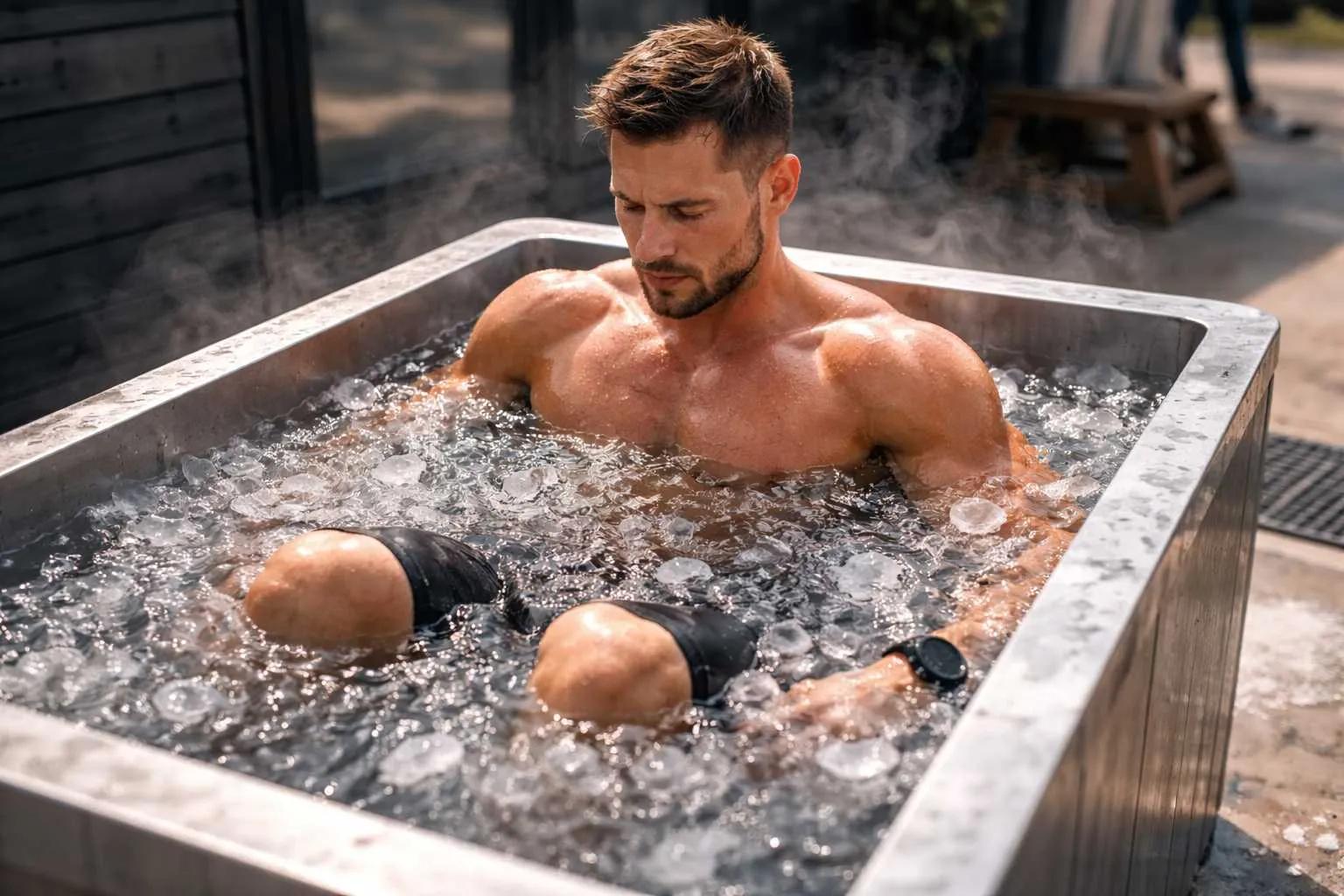
Ice Baths
In the world of fitness and athletic performance, recovery is just as important as training itself. Whether you’re a professional athlete, a weekend runner, or someone committed to regular gym sessions, how you recover after intense exercise can significantly impact your results. One recovery method that has gained widespread attention is the ice bath, also known as cold water immersion. But how effective is it, and what role does it truly play in post-workout recovery?
What Happens to Your Body After a Workout?
During intense physical activity, your muscles experience microscopic damage. This process is completely normal and essential for muscle growth and strength development. However, it also leads to inflammation, soreness, and fatigue—commonly referred to as delayed onset muscle soreness (DOMS). The body responds by increasing blood flow to the affected areas, triggering inflammation as part of the natural healing process.
While inflammation is necessary for adaptation and repair, excessive inflammation can prolong soreness and delay your return to training. This is where ice baths come into play.
How Ice Baths Work
An ice bath typically involves immersing the body in cold water ranging from 10–15°C (50–59°F) for about 10–15 minutes. The cold temperature causes blood vessels to constrict, a process known as vasoconstriction. This reduces blood flow to the muscles temporarily, which can help limit swelling and inflammation.
Once you step out of the ice bath and your body begins to warm up, blood vessels dilate again (vasodilation). This process encourages fresh, oxygen-rich blood to circulate back into the muscles, potentially aiding in the removal of metabolic waste products like lactic acid.
Key Benefits of Ice Baths for Recovery
1. Reduced Muscle Soreness One of the most widely reported benefits of ice baths is reduced muscle soreness. Many athletes find that cold water immersion helps them feel less stiff and achy the day after intense training. Research suggests that ice baths can modestly reduce DOMS compared to passive recovery.
2. Decreased Inflammation and Swelling By constricting blood vessels and reducing tissue temperature, ice baths may help limit excessive inflammation and swelling, particularly after high-impact or high-volume workouts.
3. Faster Perceived Recovery Beyond the physiological effects, ice baths often improve perceived recovery. Athletes frequently report feeling refreshed and mentally ready for their next training session, which can be just as important as physical readiness.
4. Mental Toughness and Resilience Immersing yourself in cold water is uncomfortable. Regular exposure can build mental resilience and discipline, qualities that translate well into athletic performance and everyday challenges.
Are Ice Baths Always Necessary?
Despite their popularity, ice baths are not a one-size-fits-all solution. Some studies suggest that frequent cold exposure may blunt certain long-term muscle adaptations, especially if used immediately after strength training. Inflammation plays a role in muscle growth, so consistently suppressing it might slightly reduce hypertrophy over time.
For athletes in competition phases—where quick recovery between events is crucial—ice baths can be particularly useful. However, for individuals focused on maximizing muscle growth, it may be beneficial to use them strategically rather than after every workout.
Best Practices for Using Ice Baths
If you decide to incorporate ice baths into your recovery routine, consider the following guidelines:
Keep water temperature between 10–15°C.
Limit sessions to 10–15 minutes.
Use after particularly intense or high-volume workouts.
Avoid using immediately after every strength-training session if muscle growth is your primary goal.
Listen to your body and consult a healthcare professional if you have cardiovascular issues or other medical conditions.
Final Thoughts
Ice baths can play a valuable role in post-workout recovery, particularly for reducing soreness, managing inflammation, and supporting faster turnaround between training sessions. While they are not essential for everyone, they can be a powerful tool when used strategically. Like any recovery method, the key lies in understanding your goals, monitoring how your body responds, and integrating cold therapy thoughtfully into your overall training plan.